
FOR IMMEDIATE RELEASE
September 15, 2026
Contact:
Luz Hernandez, luz@cbecal.org
Shiva Mishek, shiva@cbecal.org
Richmond City Council Passes 45-Day Moratorium on Data Centers
Richmond becomes third city in the Bay Area, following Oakley and Gilroy, to pass a data center moratorium
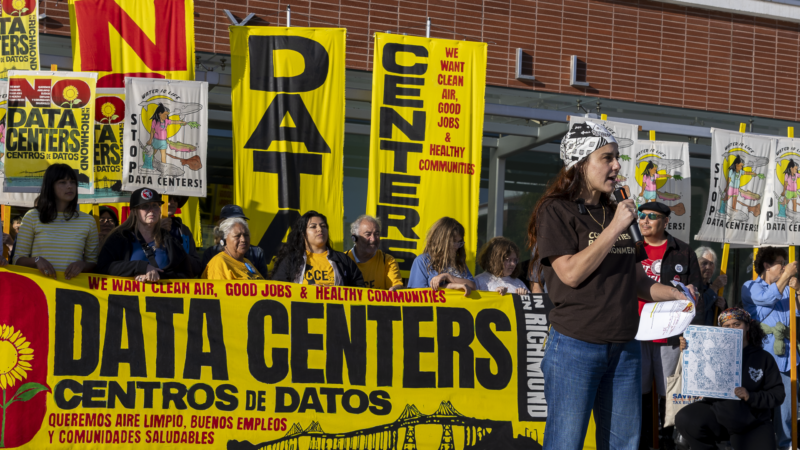
Richmond, CA — Tonight, the Richmond City Council voted to establish a 45-day moratorium on new data center development, making Richmond the third city in the Bay Area, after Oakley and Gilroy, to temporarily halt new data centers. The moratorium gives the city time to study the potential impacts of data centers and consider permanent protections before any are proposed in Richmond.
As communities across the country grapple with the rapid expansion of data centers, Richmond took a precautionary approach before a project is proposed within city limits. While communities elsewhere have mobilized in response to data centers already proposed or under construction, Richmond officials acted proactively to evaluate potential impacts before development begins.
California law allows cities to adopt temporary urgency measures while they study potential threats to public health, safety and welfare and consider longer-term regulations. Without local safeguards, large data centers could place significant new demands on Richmond’s electricity and water systems, contribute additional pollution, and expose residents to higher infrastructure and utility costs.
Shiva Mishek, Richmond resident and Program Director with CBE, responded to the vote, “As a community already on the frontlines of Chevron’s refinery pollution, we applaud the Richmond City Council for taking a proactive step to curb the rushed buildout of data centers. This victory belongs to the people of Richmond, and we aren’t stopping here. We look forward to working together to establish permanent protections by the end of the year.”
“Richmond and its people have been on the frontlines of pollution for decades, which has led to a devastating amount of chronic health issues and environmental injustice,” says Richmond resident and CBE member Laura Navarro. “I believe our city deserves a better quality of life and a healthier environment for all. It is our responsibility to make the right decisions and ban future builds and development that will lead to increased health problems, pollution and systemic injustice.”
Richmond resident Carson C., electrical contractor and former union electrician, shared, “Do Richmond’s existing substations support the power load needed for an AI data center? If not, where and on what timeline would we build a new substation? What would be the cost impacts on residents? We need this information in order to make an informed decision that weighs the immediate benefit of the temporary jobs created by construction of a data center in Richmond with potential long-term risks to local residents.”
Emi Yoko-Young, Policy Organizer with Reclaim Our Power Utility Justice Campaign, agreed: “Data centers are driving up energy bills around the country. PG&E customers already pay some of the highest rates in the U.S. Today Richmond took an important step toward protecting residents from further escalating power bills because of unchecked data center development.”
Isabel Penman, Senior Organizer at Food & Water Watch, said, “Data centers across California are already guzzling up our electricity and water and threatening our public health and utility rates. Putting an immediate pause on new AI data center development is a practical first step to ensure Richmond residents are protected from this harmful industry.”
Megan Zapanta, Richmond Organizing Director with Asian Pacific Environmental Network (APEN), said, “Richmond has a choice. As we transition away from fossil fuels, we could welcome more big polluters, data centers, and unaccountable corporations that strain our grid and pollute our air and water. Or we could invest in a new economy — one that puts people over profit, creates good jobs, and supports our health and our environment. Today, Richmond City Council made the right choice.”
###
The No Data Centers in Richmond coalition is led by Communities for a Better Environment (CBE) and includes Asian Pacific Environmental Network (APEN), Reclaim Our Power (ROP), Alliance of Californians for Community Empowerment (ACCE) Action, Food & Water Watch, and the Center for Biological Diversity.
Founded in 1978, Communities for a Better Environment (CBE) is one of the preeminent environmental justice organizations in the nation. The mission of CBE is to build people’s power in California’s communities of color and low-income communities to achieve environmental health and justice by preventing and reducing pollution and building green, healthy and sustainable communities and environments. CBE provides residents in heavily polluted urban communities in California with organizing skills, leadership training and legal, scientific and technical assistance, so that they can successfully confront threats to their health and well-being.